Cosmetic Manufacturing STEM Curriculum Licensing For Educational PROGRAMS, Schools, and Community Organizations
License a proven, lab-based cosmetic science curriculum designed to introduce teenagers to real chemistry, engineering, and manufacturing through color cosmetics.
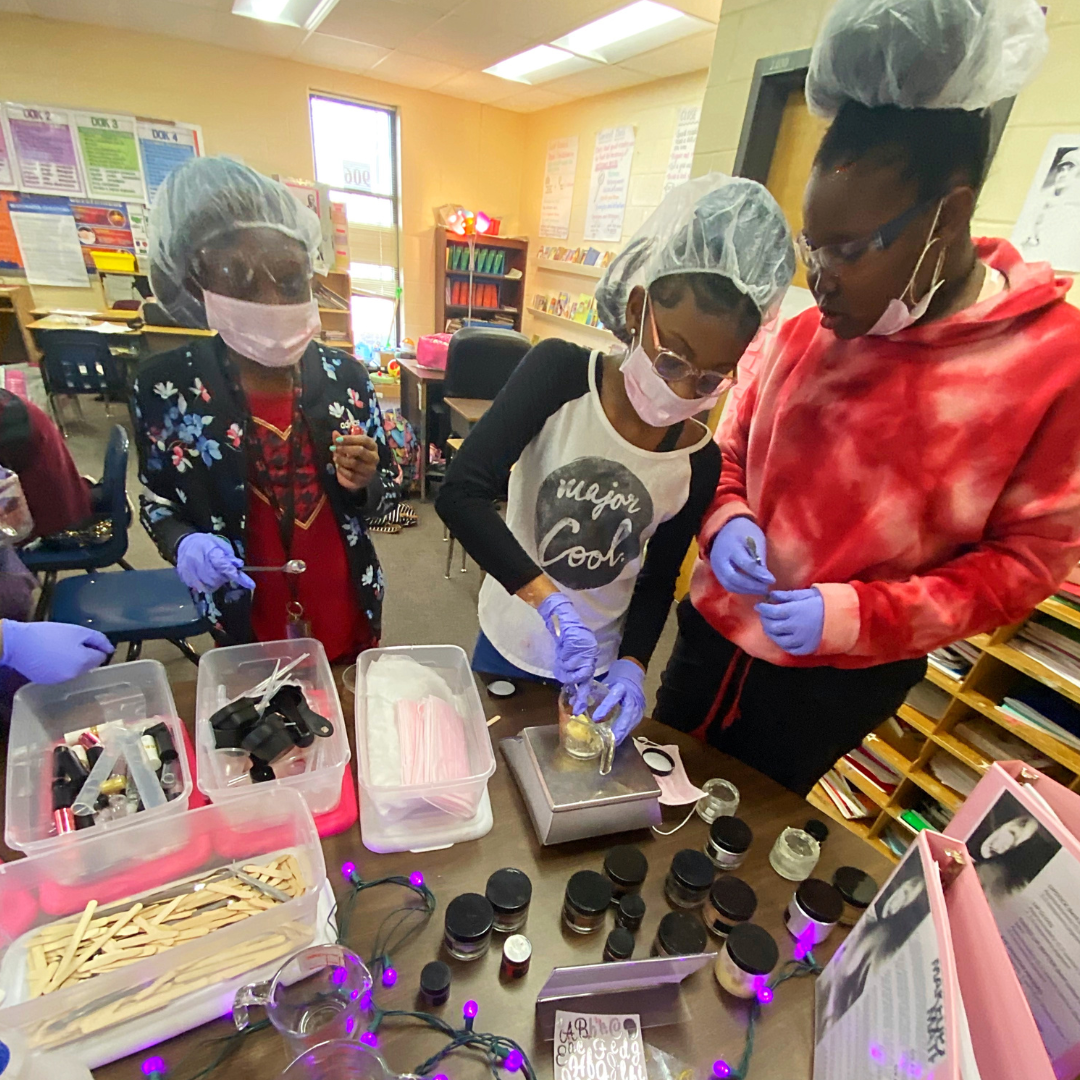
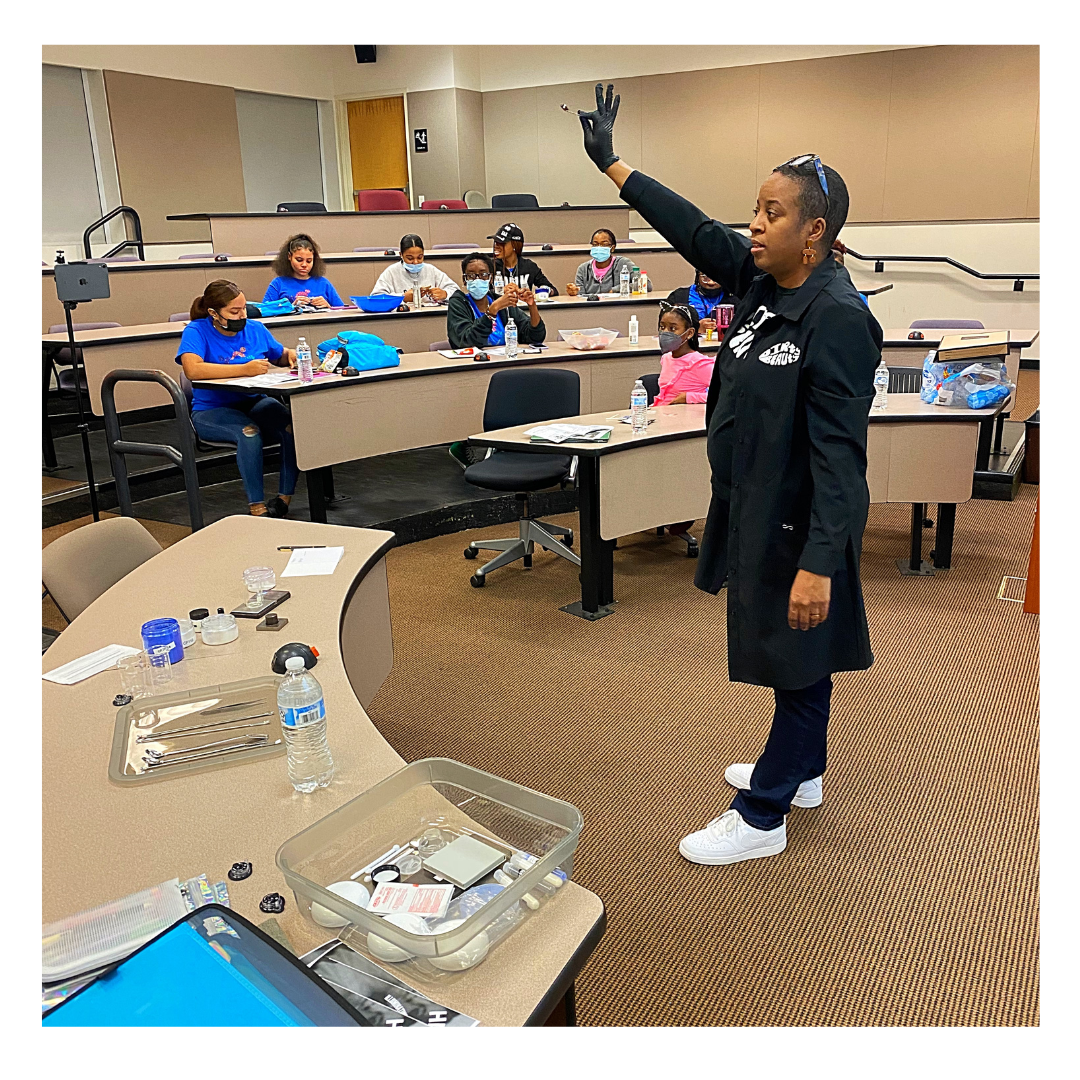
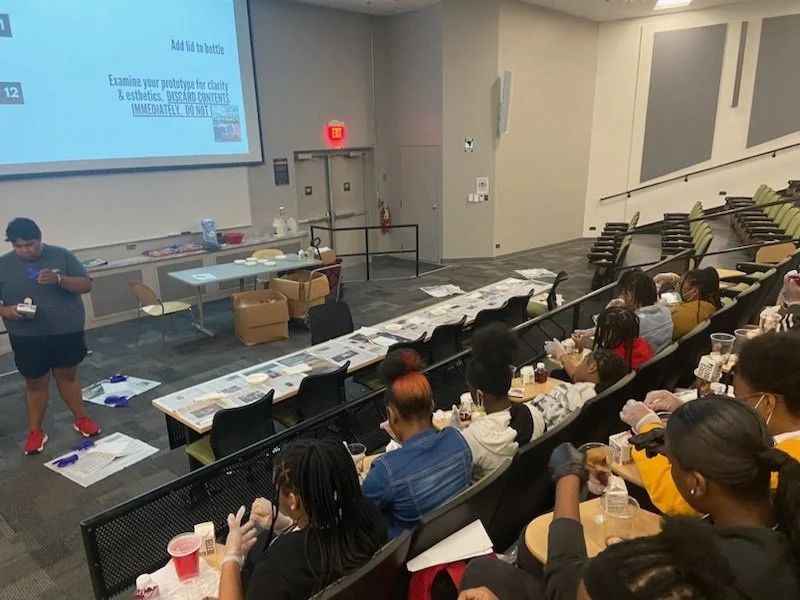
makeup and stem Licensing
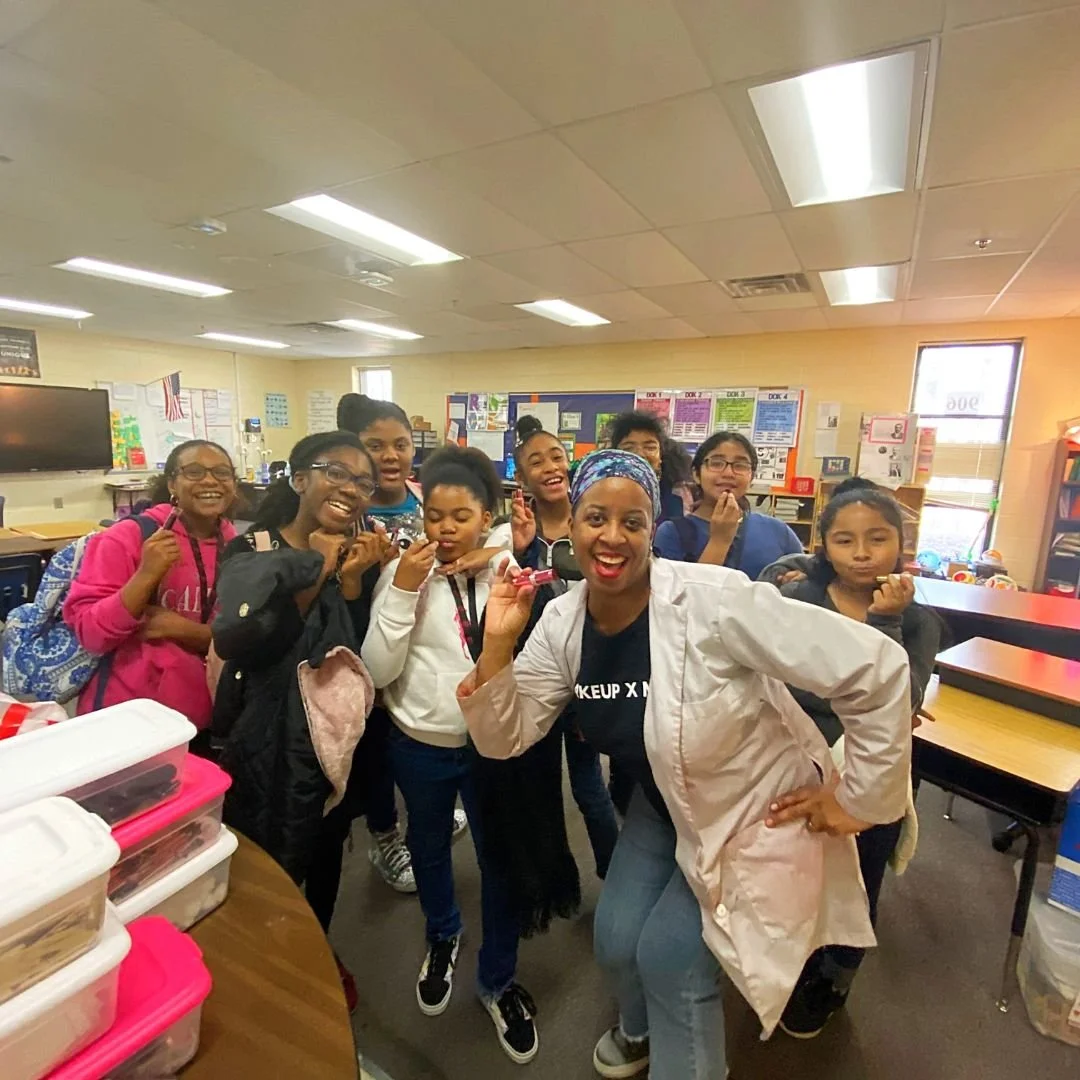
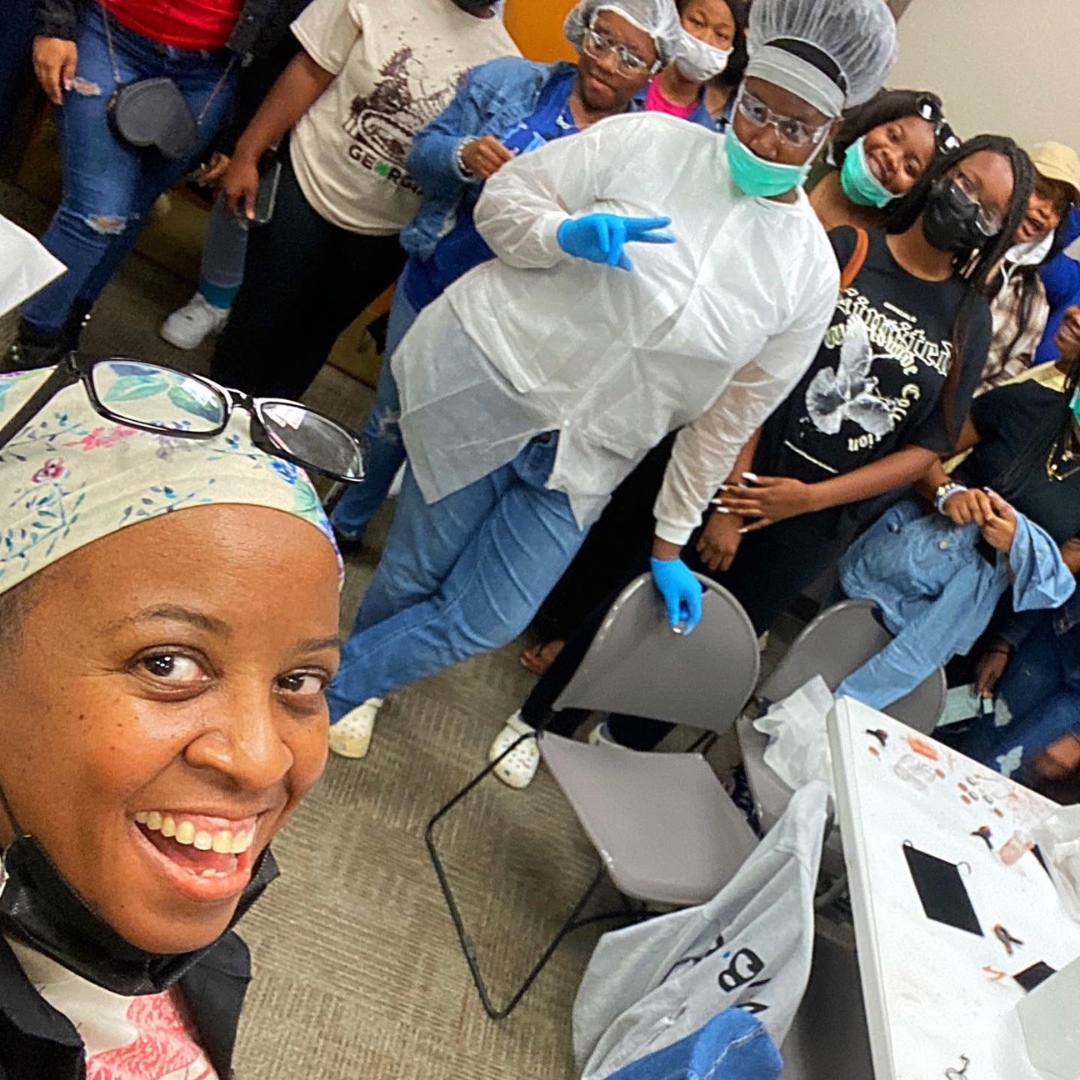
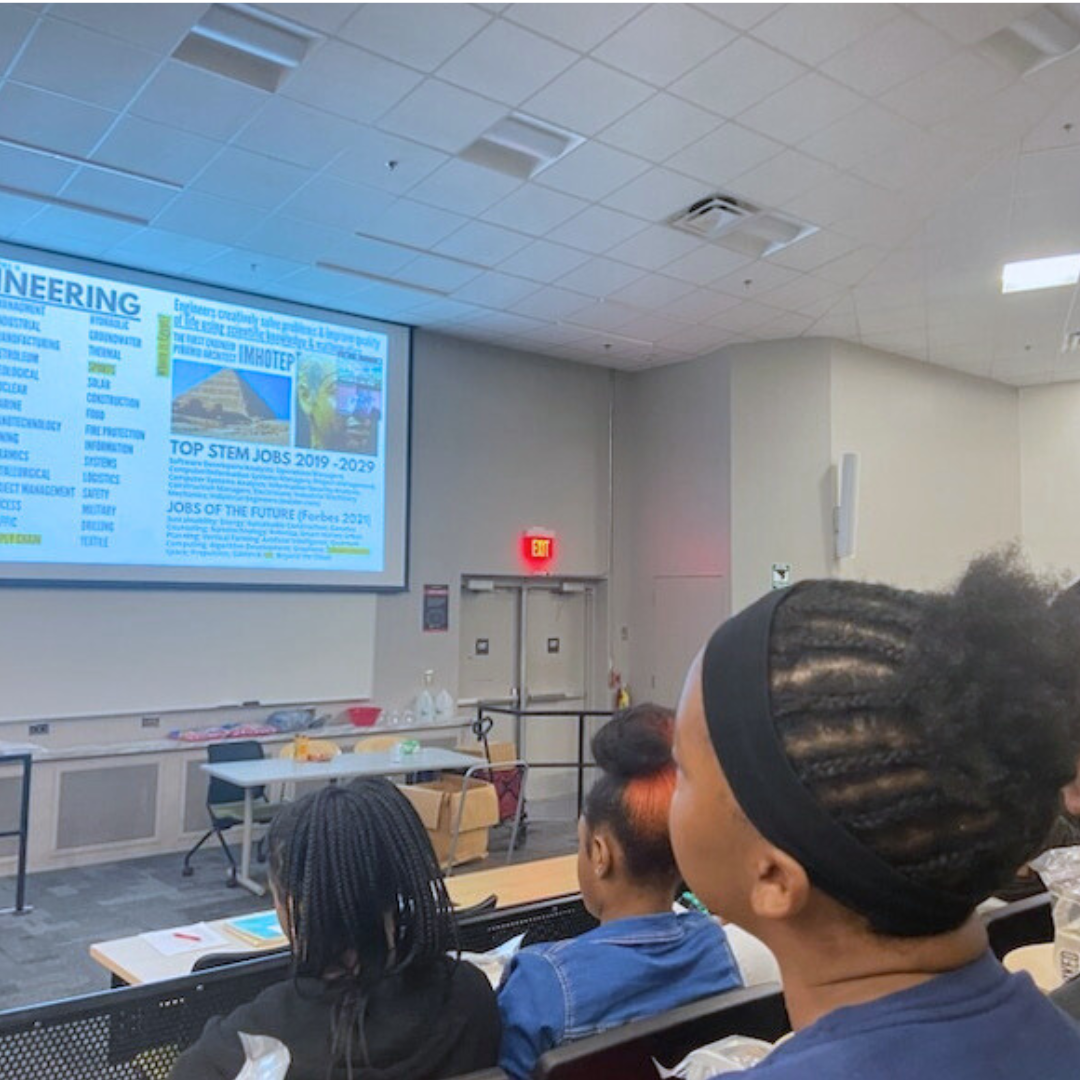
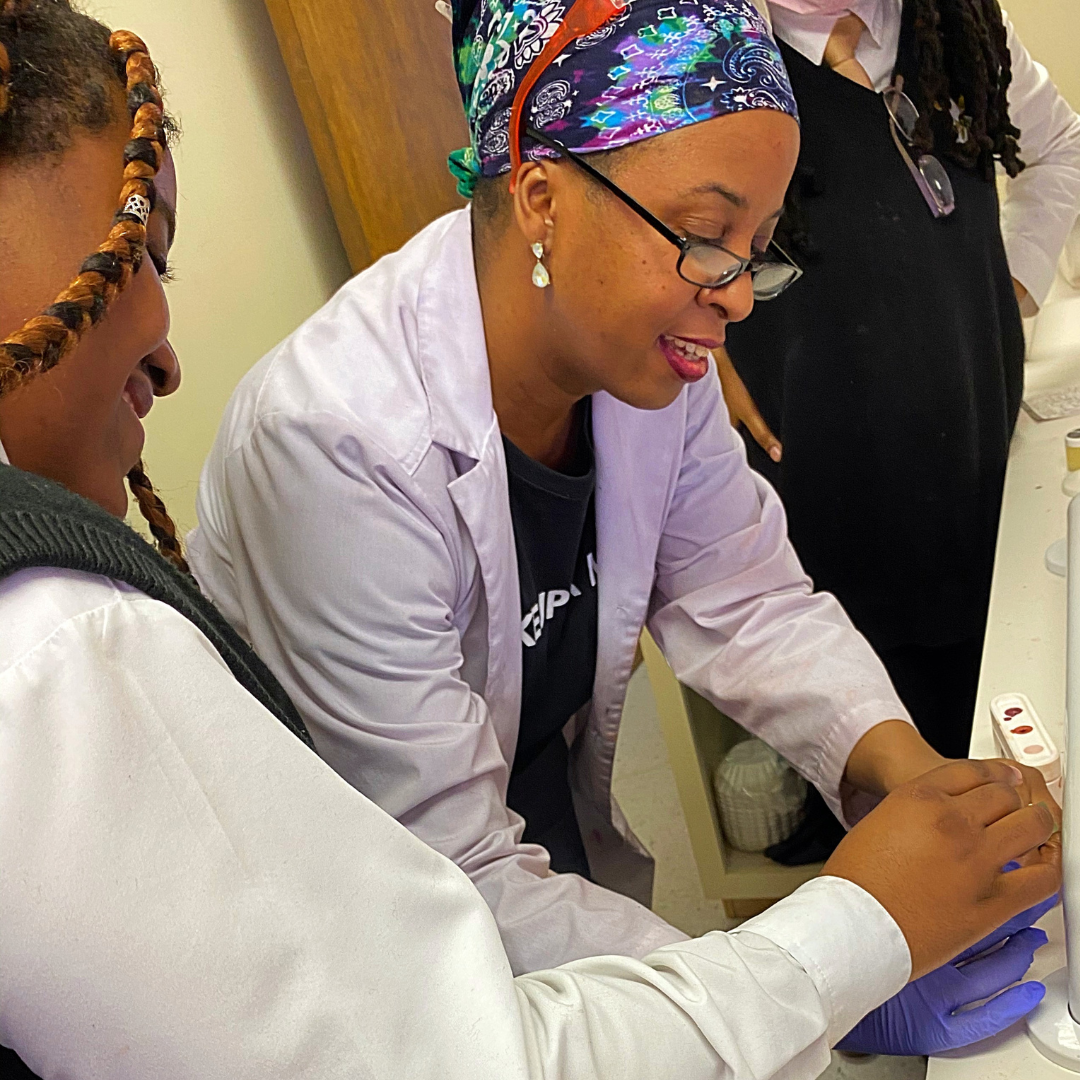
These are not craft programs and they are not novelty activities. They are structured, lab-based STEM curricula built on the same cosmetic engineering principles behind our professional manufacturing systems and adapted specifically for high school students and teen learners in educational and community settings.
Every curriculum in this portfolio has been facilitated in real educational environments over decades. The programs have been recognized by FOX 5, Forbes, the Atlanta Journal-Constitution, Peachtree TV, StyleBlueprint, and the CW not because they are unusual, but because they work. Students engage with real chemistry, real production methodology, and real outcomes. They leave with something they made, an understanding of how it was made, and a connection to science and engineering that many of them had never experienced before.
These curricula exist because of a belief that has driven this work from the beginning; that there are students sitting in classrooms right now whose gift is invisible to them. Students who think science is not for them, or that engineering is someone else's path. These programs are designed to change that. Particularly for students in communities that have historically had the least access to applied science education.
These programs are for any student who is curious about color, chemistry, pigment science, and manufacturing, regardless of background, community, or any assumption anyone has ever made about what they should be interested in. If the science of color cosmetics interests you, you belong here.
Licensing these curricula means bringing that mission into your programming and infrastructure with the full backing of a proven, documented program developed by an engineer with over 30 years of cosmetic manufacturing and science education experience. These programs are irreplaceable, proprietary, and proven.
Available STEM Curriculum Licenses
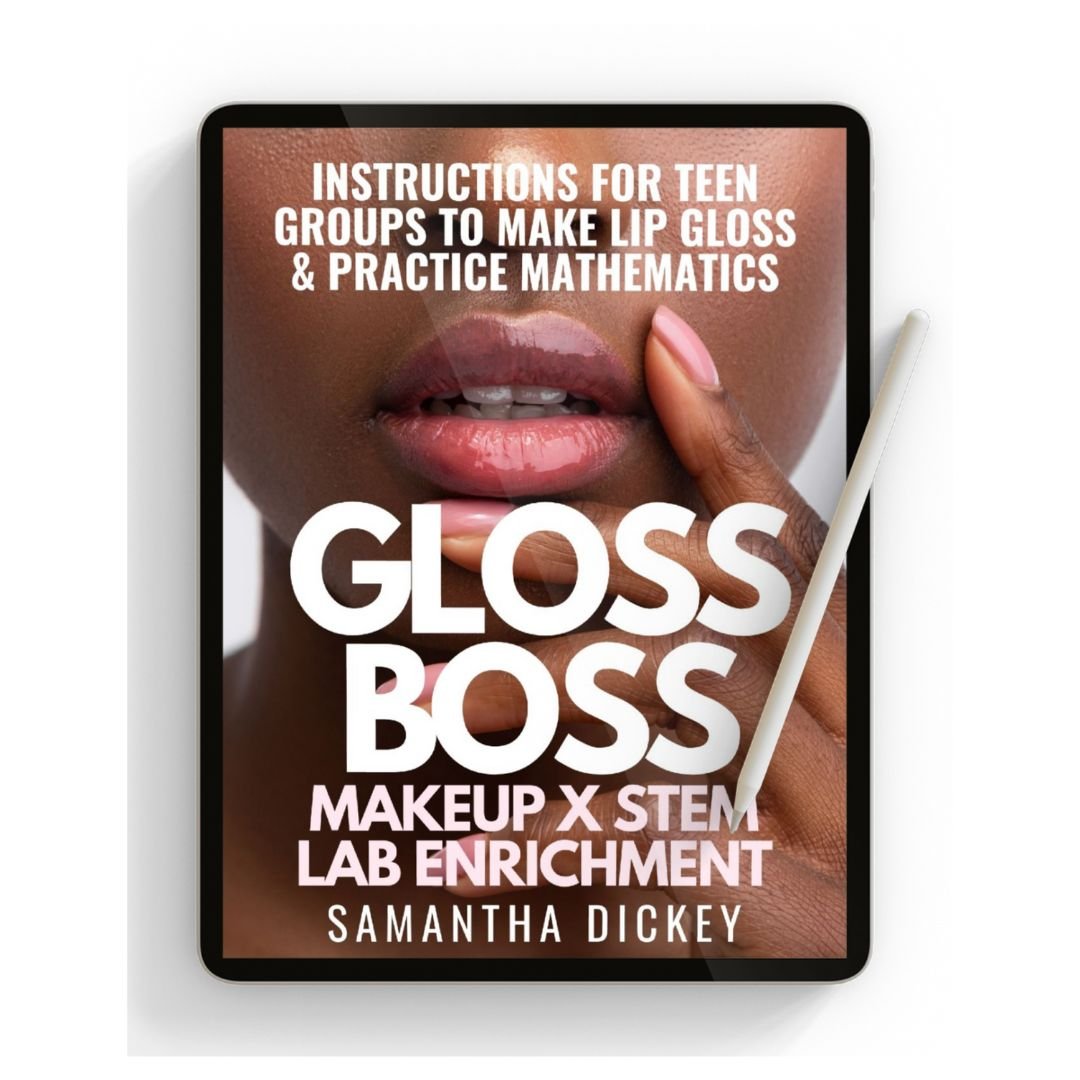
Gloss THEORY Lip Gloss Chemistry and Manufacturing Curriculum
$27,000 + annual renewal
Gloss Theory introduces students to the chemistry of cosmetic formulation through the production of lip gloss. Students work with real raw materials including a structured premade base, mica colorants, and FD&C and iron oxide color guidance — learning ingredient function, compatibility, and formulation methodology through hands-on production.
The curriculum is designed for accessibility. The formulation process is approachable for students with no prior chemistry experience while remaining grounded in real cosmetic science. It serves as an ideal entry point into the cosmetic manufacturing STEM curriculum sequence and pairs effectively with the Eyeshadow Elements and Lipstick Arithmetic curricula for institutions building a comprehensive program.
Topics covered include:
Cosmetic chemistry fundamentals
Ingredient sourcing and safety
Colorant science including mica, FD&C, and iron oxide behavior
Formulation methodology
Quality consistency
Basic production documentation
Licensing includes:
Proprietary formulation framework
Full curriculum documentation
Facilitator guides
Student worksheets
Raw material specifications
Institutions purchase their own raw materials and equipment. Licensing available for single school, district, and community organization use.
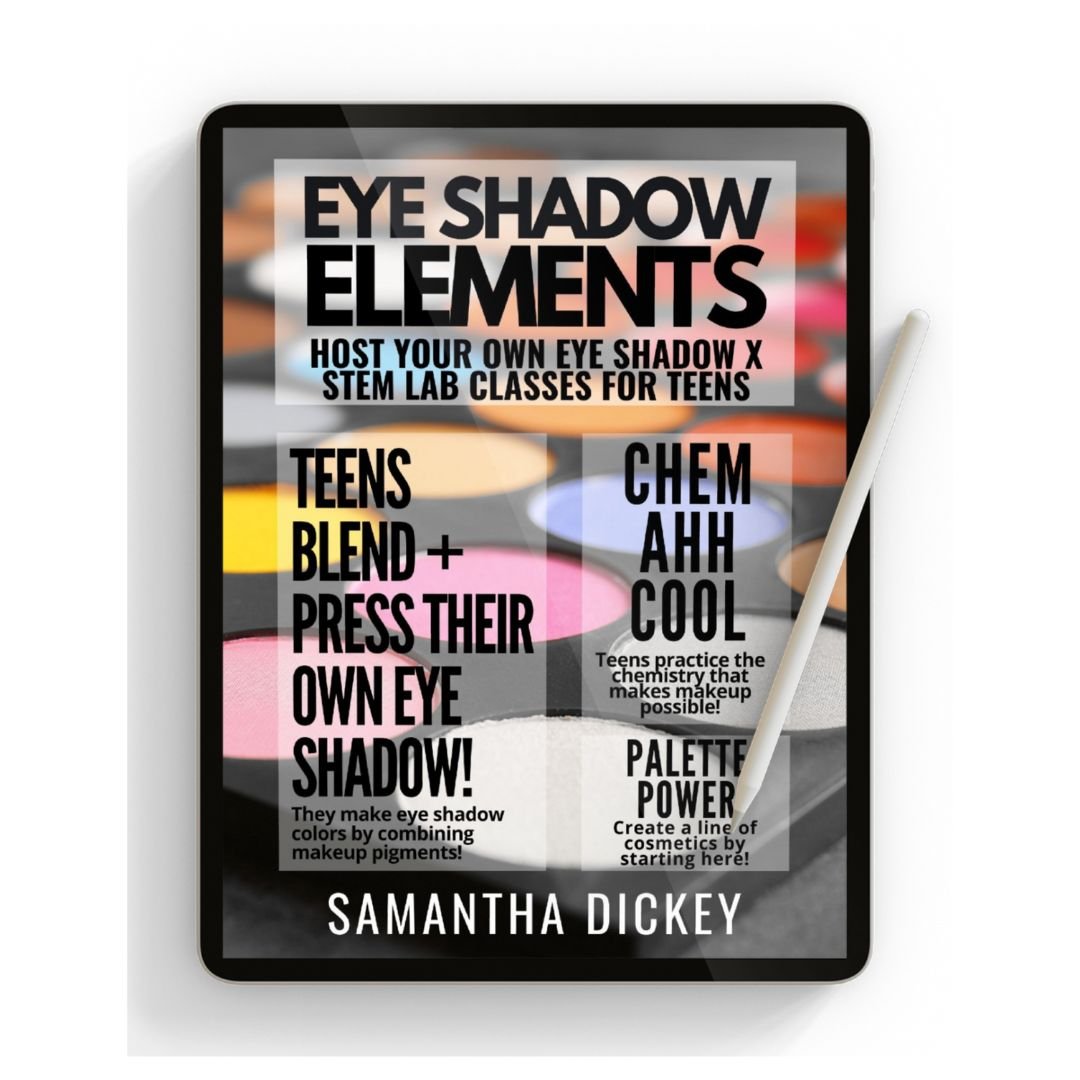
PRESSED Eyeshadow STUDIO Color Science and Manufacturing Curriculum
$45,000 + annual renewal
Pressed Eyeshadow Studio introduces students to mineral cosmetic science through the production of pressed eyeshadow using a proprietary dry pressing base formula developed specifically for consistent results in a classroom environment. Students learn about pigment chemistry, mineral ingredient behavior, compression methodology, and the engineering precision required to produce consistent color results across a batch.
The proprietary base formula included with this license is the result of real formulation engineering. It is designed to press consistently in a dry environment without the moisture sensitivity and binding complexity that makes eyeshadow production challenging at small scale. That reliability is what makes this curriculum executable by students with no prior experience and what makes it unavailable anywhere else.
Topics covered include:
Mineral chemistry and pigment science
Iron oxide and mica behavior
Compression and binding methodology
Shade development parameters
Batch consistency principles
Licensing includes:
Proprietary eyeshadow base formula
Full curriculum documentation
Facilitator guides
Student worksheets
Raw material specifications
Institutions purchase their own raw materials and equipment. Licensing available for single school, district, and community organization use.
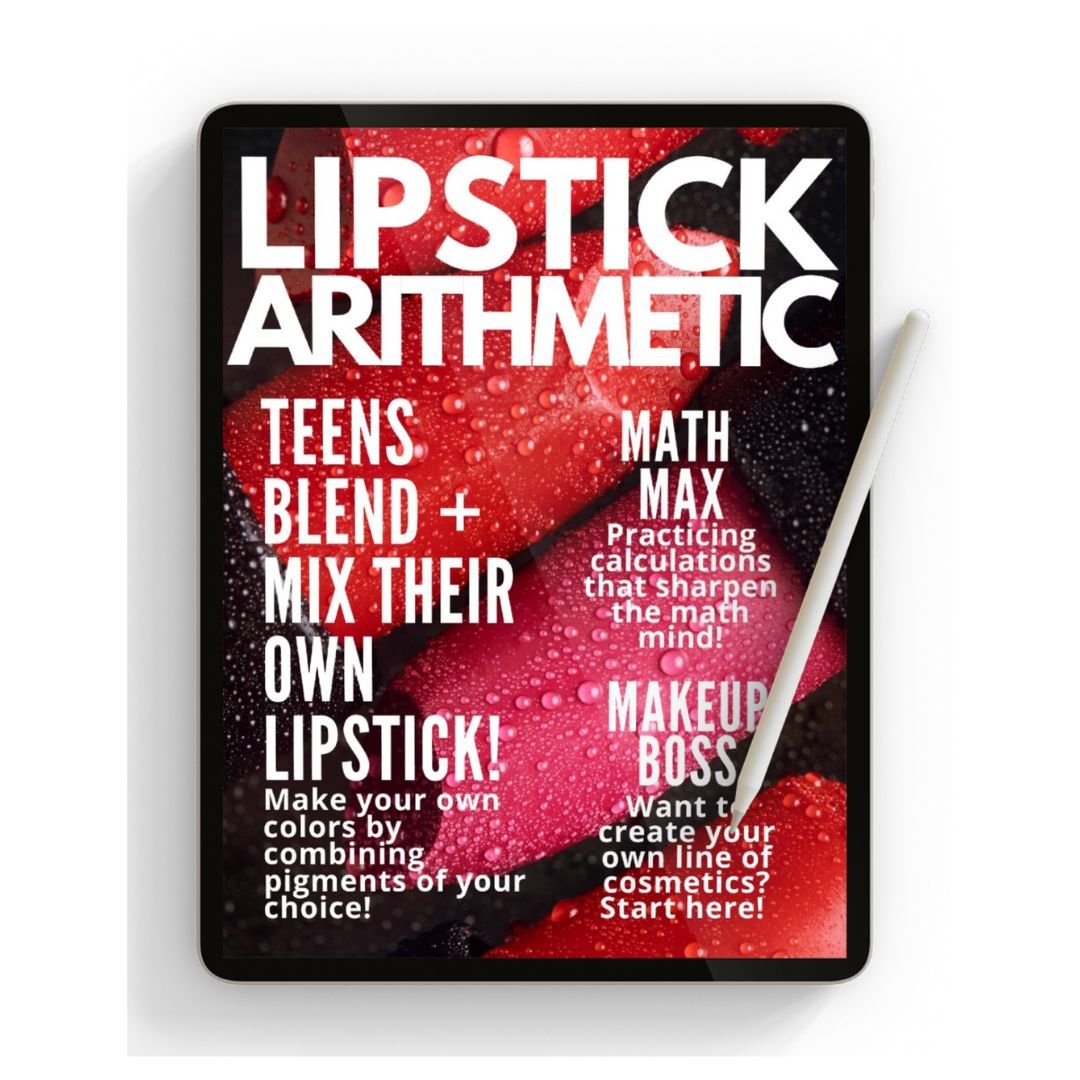
Lipstick Arithmetic Lipstick Formulation and Manufacturing Curriculum
$54,000 + annual renewal
Lipstick Arithmetic is the most technically advanced curriculum in the portfolio and the flagship of the 4D Engineering STEM program offering. Students produce a solid lipstick using a proprietary base formula and iron oxide colorant system that delivers a finished product indistinguishable in quality from what students purchase at retail. The experience of producing something that performs and presents at that level is the central learning event of this curriculum and it is not replicable without this formula and this methodology.
The name is intentional. This curriculum makes the mathematical relationships inside cosmetic formulation visible and tangible — percentage calculations, ratio adjustments, batch scaling — in a context that students find immediately relevant and engaging. It is STEM education that does not need to convince students it matters because the outcome makes it self-evident.
Topics covered include:
Formulation chemistry and ingredient ratios
Batch mathematics and percentage calculations
Iron oxide colorant science and color development
Mold filling and production methodology
Quality assessment
Introductory manufacturing documentation
Safety and Compliance
This curriculum involves a supervised heating process. Microwave methodology is specified as the recommended and safest heating approach for educational environments. The curriculum requires adherence to FDA cosmetic production guidelines for student safety and product integrity throughout the production process. Full safety protocols, sanitation procedures, equipment requirements, and facilitator compliance instructions are included with the license. This is a structured and compliant program, not a craft activity, and it is designed and documented to be executed safely and correctly in an educational setting.
Licensing includes:
Proprietary lipstick base formula
Iron oxide colorant framework
Complete safety and compliance documentation
Full curriculum documentation
Facilitator guides
Student worksheets
Raw material specifications
A district that adopts Lipstick Arithmetic across multiple campuses has the ability to completely transform its STEM engagement profile. This curriculum produces results in student enthusiasm, in academic connection, and in the measurable impact of putting real applied science into the hands of teenagers who did not previously see themselves as scientists or engineers.
Institutions purchase their own raw materials, lipstick molds, and equipment. Licensing available for single school, district, and community organization use.
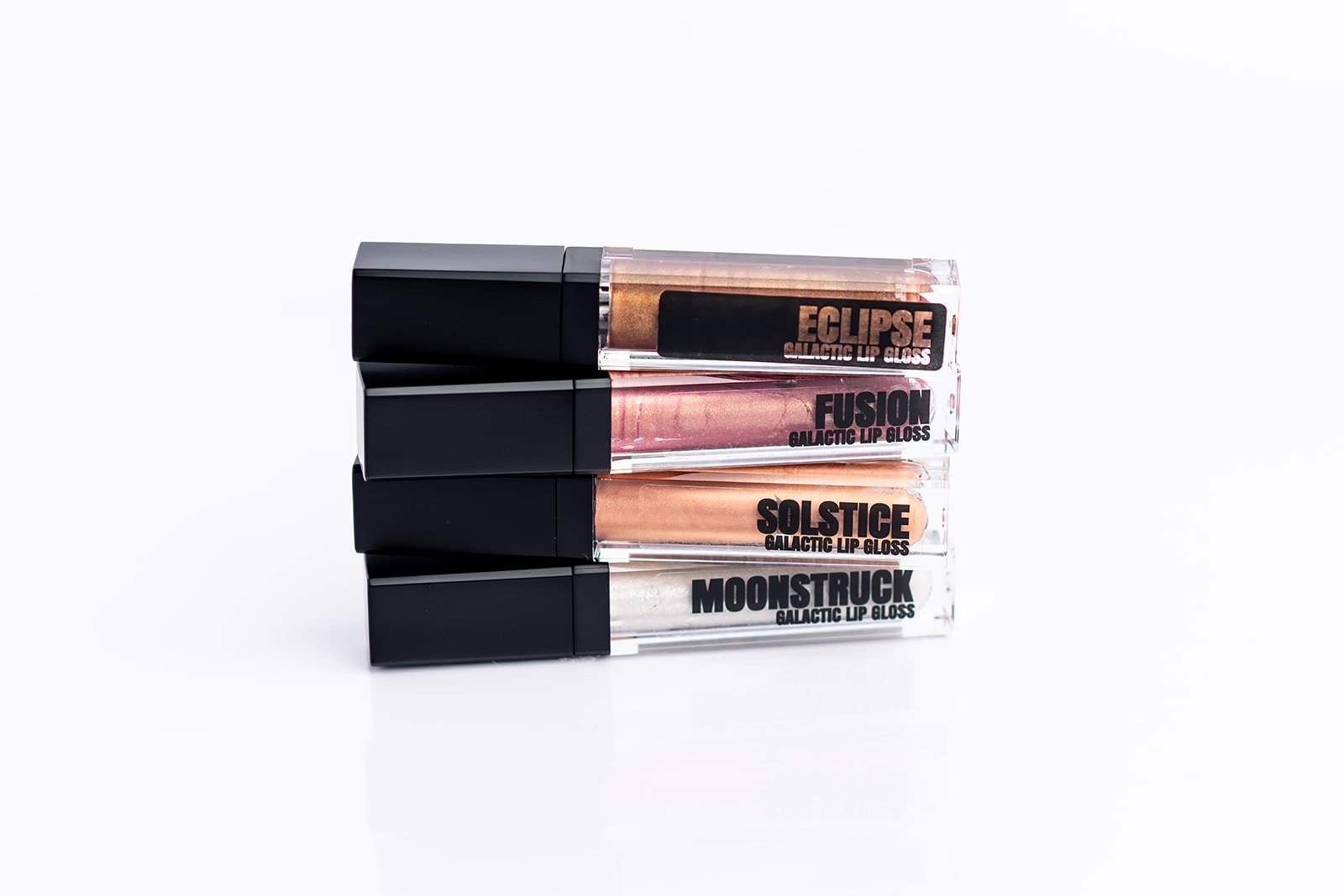
Licensing Tiers
Single School License
A single school license grants one institution the right to facilitate the licensed curriculum for one academic year within a single campus or facility. Annual renewal is required for continued use. Pricing as listed above.
District License
A district license grants a school district the right to facilitate the licensed curriculum across multiple campuses within the district for one academic year. District licensing is priced at a significant multiplier above single school licensing based on campus count and program scope. Contact us for district licensing inquiry and pricing.
Community Organization License
Community centers, youth organizations, and nonprofit institutions serving teenage populations are eligible for community organization licensing. Pricing is based on program scope, session frequency, and annual student reach. Contact us for community organization licensing inquiry and pricing.
GRANT LICENSING
Many institutions license curricula through existing grant funding rather than operating budget.
To support your institution's grant process we provide a program overview document that can be adapted for grant narrative submissions. This document is available upon request and is designed to reduce the administrative work of securing funding for your program. Contact us to request it at any time during your licensing inquiry process.
Who this is for
These curricula are designed for institutions serving high school students between the ages of 14 and 18. Ideal facilitation environments include:
Career and technical education programs
Chemistry and science departments
After-school and enrichment programs
Community center youth programming
Workforce development initiatives targeting teenage populations
No prior chemistry or manufacturing knowledge is required of students. Facilitator training guidance is included with every license. The curricula are designed to be delivered by an educator or program coordinator and they do not require the ongoing involvement of 4D Engineering once the license is executed. Institutions are fully equipped to run these programs independently from day one of the license period.
WHAT THESE PROGRAMS PRODUCE
Applied, hands-on STEM programming that connects science to real world outcomes enhance classroom instruction. When students produce something real, something they formulated, manufactured, and can hold in their hands. The relationship to the subject can change permanently.
That is what these programs are built to create. Not just a lab activity. A moment where a student realizes that science is something they can do and that engineering might be exactly where they belong.
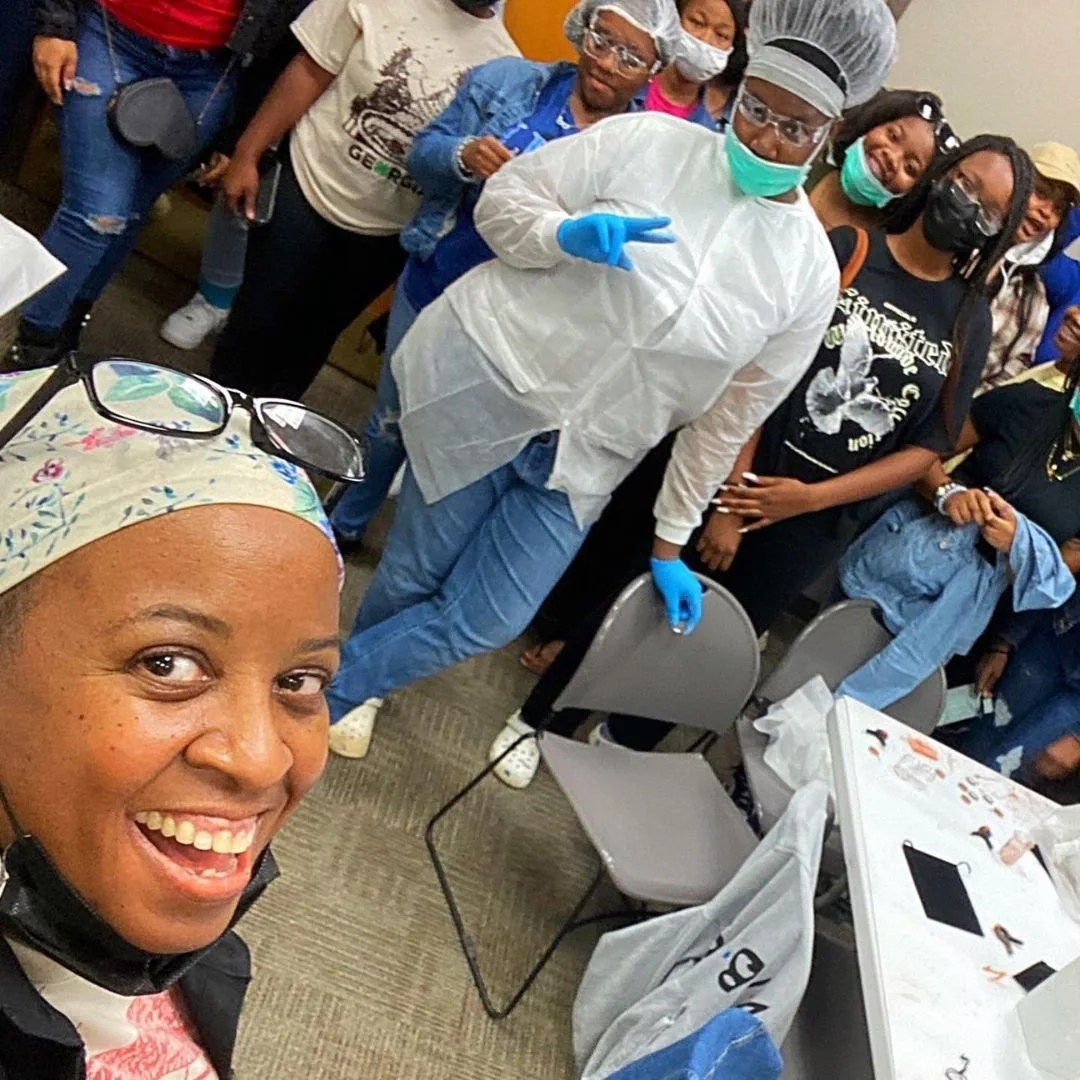
Ready to bring a cosmetic manufacturing STEM curriculum to your PROGRAMS?
Submit a licensing inquiry including your institution name, the curriculum or curricula you are interested in, your student population size, your program delivery timeline, and whether you are inquiring for a single school, district, or community organization license.
Institutions interested in grant funding support should request our program overview document at the time of inquiry. We will follow up with full program details, licensing agreement information, and next steps.
Serious inquiries only.